Media Release | 12 June 2026
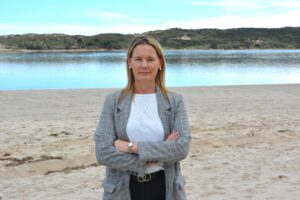
Bevan Eatts MLA
Shadow Minister for Aged Care
Shadow Minister for Aged Care, Bevan Eatts MLA, has warned that the State Government’s own commissioned report shows Western Australia will need between 1,600 and 2,700 additional aged care beds by 2030, yet there is still no plan to deliver them.
Mr Eatts said, while aged care funding was primarily a Commonwealth responsibility, the State Government could no longer use Canberra as an excuse for inaction while hospitals, ambulance services and regional communities bore the consequences.
“Labor knows there is a problem. Its own report says so. The question is why it continues to talk about the issue instead of using the powers it already has to address it?”
Mr Eatts said aged care shortages were now affecting the wider health system.
“When older Western Australians are medically fit to leave hospital but can’t access aged care, they stay in hospital beds. That means fewer beds for other patients, longer waits in emergency departments, and more ambulance ramping.”
He pointed to the most recent figures: a record number of patients sitting in WA hospitals while medically ready to leave.
“A shortage of aged care beds becomes a shortage of hospital beds. A shortage of hospital beds becomes ambulance ramping.”
“This is not a forecast. This is happening in our hospitals now, every week.”
Mr Eatts said the scale of the gap was clear from the Government’s own numbers.
“The report points to a shortfall measured in thousands of beds. Since 2020, the State has added around only 400 and, in 2025, the number of beds fell for the first time in over a decade. The need is moving in one direction, and supply is moving in the other.
“Western Australians are entitled to ask why, five years after the Royal Commission exposed serious failures in aged care, we are still talking about bed shortages, workforce shortages and growing pressure on hospitals.”
Mr Eatts said the State Government had many options available, including developing a dedicated aged care workforce strategy, supporting workforce housing in regional communities, expanding training pathways and scholarships, identifying areas where market failure was preventing investment, and coordinating aged care planning with hospital demand and workforce needs.
“None of these measures require another inquiry. None require another round of finger-pointing. They require leadership.”
“The Cook Government cannot keep saying aged care is somebody else’s responsibility when WA hospitals, WA ambulance crews and WA families are carrying the burden.”
Mr Eatts said pressure was greatest in regional communities, where workforce shortages had already taken some beds out of service, forcing older residents to travel long distances for care while local hospitals faced ageing infrastructure and rising demand.
“The warning is on the record. The evidence is the Government’s own. There is still time to act, and regional communities are not asking for another inquiry. They are asking for a workforce strategy and a building plan that matches the report the Government already has.
“Regional Western Australians generate much of the wealth that drives this State. They deserve a government prepared to tackle these challenges, not shift responsibility elsewhere.”
ENDS